Grown, Not Made: Inside the New Life of Everyday Things

We’re exploring living materials for everyday products: mycelium, algae, and self-healing fabrics. From fungal foams replacing plastics to seaweed shaping bioplastics and garments that repair micro-tears, discover how biology reframes durability, beauty, and waste, plus how you can try simple, safe experiments at home.

The Lab-Grown Brick You Can Compost

Imagine dropping a planter and replacing it with a mycelium “brick” grown from sawdust and spores inside a week. The result cushions like foam yet breathes like cork. After months of faithful service, crumble it into garden beds, where microbes finish the story and nutrients rejoin the soil.

Leather Without the Herd

Sheets cultivated from fungal cells press and tan into supple materials that mimic grain, accept dyes beautifully, and sidestep methane, land pressure, and complex tanning chemistry. Early wallets and sneakers prove scuff resistance holds up in commutes, while brands pilot repair services to extend use and close collection loops.

Seaweed Turning into Spoonable Films

Kitchen tests with alginate and calcium produce clear, edible sachets that hold sauces or single sips of water. The films dissolve or compost quickly, bypassing bins entirely. Chefs love the delicate mouthfeel, while campers praise ultralight convenience and the absence of crinkly waste that flutters into forests.

Color, Grown Rather Than Mined

Phycocyanin and chlorophyll derivatives offer saturated blues and greens without heavy-metal residues. Textile labs are exploring bio-dyes fixed with minimal mordants, reducing rinse cycles and wastewater loads. The resulting hues shift subtly with light exposure, telling gentle stories of time, wear, and care instead of fading into lifelessness.

Self-Healing Fabrics That Mend While You Move

Borrowing cues from skin and slime molds, textiles embed microcapsules, reversible bonds, or ionic networks that close small snags under heat, pressure, or moisture from everyday wear. The goal is comfort first, durability second, with fewer toss-and-replace moments and more satisfying, nearly invisible quick recoveries.

Designing for Circularity with Living Matter

Creating products with biological inputs invites new thinking about durability windows, disassembly, and nutrient pathways. Mycelium foams thrive in protective roles, algae films suit perishables, and self-healing textiles stretch lifespans. Together they point toward maintenance culture, localized manufacturing, and respectful returns to soil or sea rather than incineration.

Will Fungi Grow on My Shelf?

Finished mycelium objects are heat-inactivated, meaning growth stops before shipping. If something appears fuzzy, it is ordinary household dust, not reanimation. A quick wipe restores matte texture. Store away from persistent moisture just as you would wood, cork, or cotton to keep surfaces clean and stable.

Can Algae Products Smell Like the Sea?

Properly rinsed and refined seaweed materials have a neutral scent comparable to paper or cotton. Any ocean note usually signals leftover salts, quickly resolved with a single wash or gentle bake. Brands are improving filtration steps, making experiences consistently pleasant without fragranced coatings that mask problems.

What Happens in the Wash?

For self-healing garments, check care labels indicating water temperature and tumble times that trigger bond resetting without degrading base fibers. Algae-dyed pieces prefer cooler cycles. Mycelium composites are typically wipe-clean only. Following simple guides preserves regenerative functions and reduces microfibers, prolonging performance while keeping routines relaxed and familiar.

Get Involved: Make, Test, and Tell Us

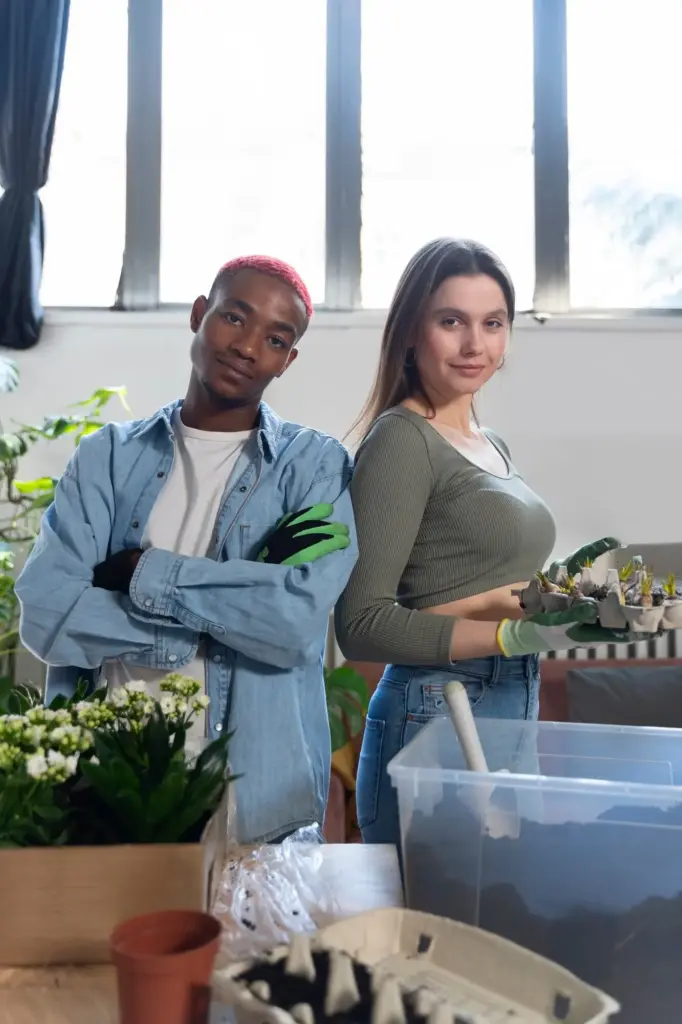
Curiosity fuels better products. Try small, safe experiments to understand textures, drying times, and finishes, then share observations with our community. Your notes help refine recipes and identify real-world hurdles so future iterations feel honest, delightful, and genuinely helpful rather than promising magic and delivering headaches.
Ravotarilentozentopentotemi
Privacy Overview

This website uses cookies so that we can provide you with the best user experience possible. Cookie information is stored in your browser and performs functions such as recognising you when you return to our website and helping our team to understand which sections of the website you find most interesting and useful.